
Loading...
Serving San Benito, TX and surrounding areas. (956) 695-0788
Below-grade spaces in the Rio Grande Valley face moisture, shifting clay soils, and years of heat. We assess your slab, address what is there, and install a finish that holds up - so the space actually gets used.
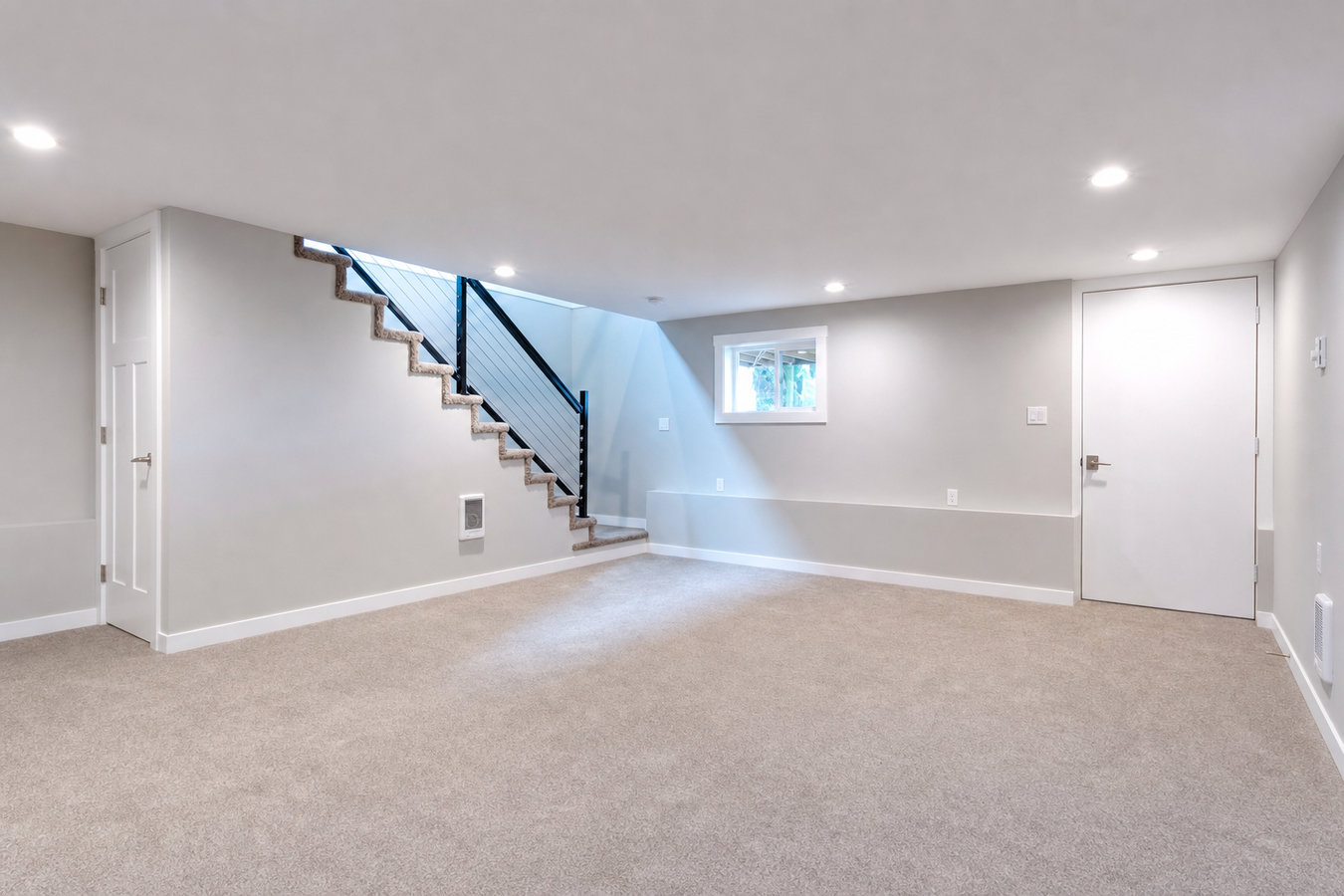
Basement flooring in San Benito, TX starts with the concrete slab - checking it for cracks, moisture, and levelness before any finish material goes down. Most jobs take one to four days depending on the size of the space and how much prep work the slab needs, with additional curing time before the room is usable again.
Most homes in the Rio Grande Valley are built on slab foundations, and below-grade spaces here - whether storm shelters, utility rooms, or converted storage - face a specific set of challenges: humidity that works up through the concrete, clay soils that shift with the seasons, and summer heat that affects how coatings cure. Getting the floor right means addressing those conditions directly, not working around them. The concrete grinding and surface preparation step is where the real work happens - and it determines how long the finished floor lasts.
Whether you are finishing a space you want to use or making a utility room durable enough to handle the next storm season, the first step is an honest look at what is already there.
A damp or musty odor that lingers - especially after rain or during humid summer months - is a sign moisture is working its way up through the slab. In San Benito's climate, this is one of the most common early warning signs that the concrete floor needs attention. Left alone, that moisture will eventually cause mold to grow under any flooring you have.
Cracks running across the surface, or spots where one section sits higher or lower than another, are common in Cameron County because the clay soil expands and contracts with the seasons. Small hairline cracks are often cosmetic, but wider cracks or sections that have shifted need to be evaluated before any new flooring goes on top.
If a current floor covering is peeling away from the concrete or bubbling up in spots, that is almost always a moisture problem underneath. This is especially common in San Benito homes where the original flooring was installed without a proper moisture barrier. The fix is addressing the moisture first, then applying a finish designed to handle it.
If the floor feels slightly damp or sticky on a day it has not rained, moisture is coming up through the slab from the ground below. This is a normal challenge in the Rio Grande Valley's humid climate, but it is not something you have to live with. A sealed or coated surface stops that moisture from reaching the floor and makes the space genuinely comfortable to use.
Every job starts with surface preparation - grinding down high spots, filling cracks, and applying a moisture barrier where the slab tests positive for moisture. Our concrete grinding and surface preparation service handles that phase, and it is the step that determines whether your finished floor lasts five years or twenty. Once the slab is ready, we work with you to choose a finish that fits how you use the space.
For utility rooms, storm shelters, and spaces that see water, our epoxy floor coatings bond directly to the prepared slab and create a seamless surface with no joints for moisture to get under. For spaces you want to use as a home office, hobby room, or livable area, we also install vinyl plank flooring rated for high-moisture environments - warmer underfoot and more comfortable for daily use. We help you match the finish to the space rather than applying a one-size solution.
Best for utility rooms and storm shelters where durability and easy cleanup matter more than comfort underfoot.
Ideal for spaces that may see water - bonds to the slab and leaves no seams for moisture to get under. Add a non-slip aggregate for safety.
For livable below-grade spaces where comfort underfoot matters - warmer than bare concrete and rated for high-humidity environments.
For slabs that have shifted or cracked due to Cameron County clay soil movement - addressed before any finish goes down.
San Benito sits in the Rio Grande Valley, where summer humidity regularly climbs high and the air stays warm and wet for most of the year. That moisture does not just affect the air inside your home - it works its way up through concrete slabs from the ground below. Any below-grade flooring project here must include a moisture barrier as a standard step, not an optional upgrade. A contractor who skips this step in San Benito's climate is setting you up for problems within a year or two. The clay-heavy soil throughout Cameron County also expands and contracts with every rainy season, causing slabs to crack and shift in ways that affect every finish material above them. We work throughout the area, including Harlingen and Brownsville, where these same slab and soil conditions are part of every job.
San Benito also has a significant number of homes built between the 1950s and 1980s, and the concrete slabs in those homes have had decades to settle, crack, and absorb moisture. If your home is in that age range, expect the prep work phase to take longer and cost more than it would in a newer build. That is not a reason to avoid the project - it is just something to budget for honestly. Many homeowners here also use below-grade spaces as storm shelters, and the flooring in those rooms needs to hold up under the conditions that come with tropical storm season in the Gulf Coast region. The EPA's guidance on mold and moisture is a useful starting point for understanding why moisture control in enclosed spaces matters so much in climates like ours.
Tell us the size of the space, how it is currently used, and whether you have noticed any moisture or cracking. You do not need to have all the answers - the in-person visit is where those questions get answered. We respond within one business day.
We visit to check the condition of the slab - cracks, uneven spots, and signs of moisture. In San Benito, this assessment almost always includes some kind of moisture check because the local climate makes it a standard concern. You receive a written estimate that breaks out prep work, materials, and labor separately.
The crew grinds down high spots, fills cracks, and applies a moisture barrier where needed. In older San Benito homes with clay-soil movement, this phase can take a full day on its own. It is the work that determines whether your new floor lasts five years or twenty - we do not rush or skip it.
Once the slab and moisture barrier have cured, the finish material goes down. Most finishes need at least 24 hours before you can walk on them - some coatings need 48 to 72 hours before furniture can return. Before we leave, we walk through the finished space with you so you know what to expect as the floor fully cures.
Free in-home visit. Written estimate before any work starts. No pressure, no obligation.
(956) 695-0788We test the slab for moisture before recommending any finish material. In San Benito's climate, this is not optional - skipping it is the most common reason below-grade floors fail within a year or two of installation. You get a clear picture of what the slab actually needs before any work begins.
Surface preparation takes longer than most homeowners expect - and that is fine, because it is where the quality of the job is determined. We grind, fill, level, and seal the slab before any finish goes down. A floor that looks good on day one but fails in year two almost always had poor prep work underneath.
Every estimate we provide breaks out prep work, materials, and labor separately. If something unexpected turns up once work starts, we tell you before proceeding. In older San Benito homes where slab conditions vary widely, that transparency matters - you should not be surprised by costs halfway through a project.
Below-grade spaces used as storm shelters in the Rio Grande Valley need flooring that holds up under the conditions tropical storm season can bring. We have worked on these spaces throughout the area and know the finish options that perform - and the ones that do not. The American Concrete Institute sets the standards we follow for concrete surface work.
The Rio Grande Valley has its own set of challenges for below-grade spaces, and they require more than a generic approach. We bring local experience and a process built around what actually works here.
The foundational step before any below-grade finish - grinding, leveling, and moisture prep that determines how long the floor lasts.
Learn MoreA seamless, bonded surface coating for utility rooms and storm shelters where moisture resistance and durability come first.
Learn MoreSan Benito humidity does not wait - contact us now for a free estimate and a written plan before summer arrives.