Loading...
Serving San Benito, TX and surrounding areas. (956) 695-0788
Uneven floors cause tile to crack, planks to buckle, and furniture to rock. Self-leveling concrete corrects those dips and slopes fast - giving you a flat, stable surface ready for any finish or flooring on top.
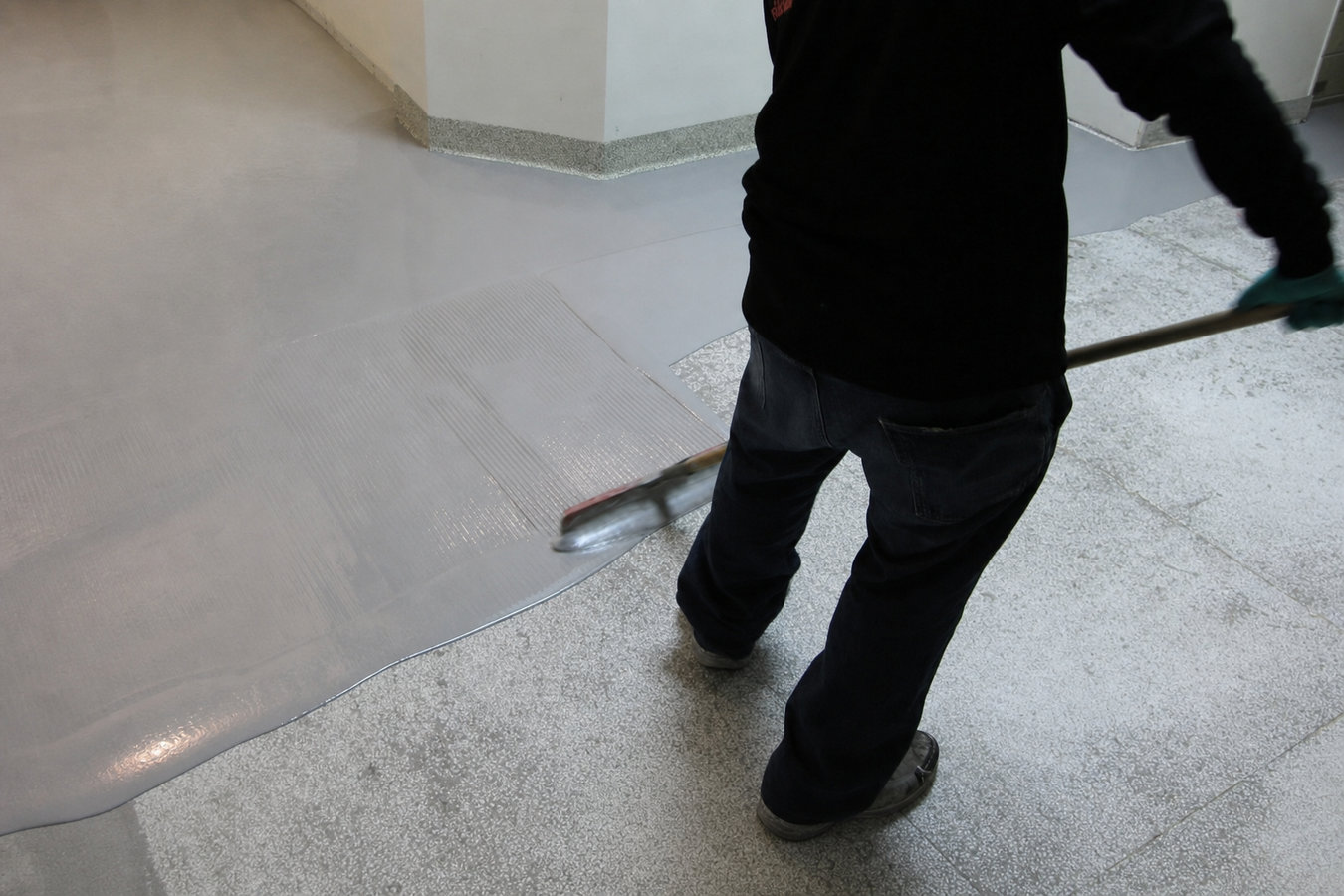
Self-leveling concrete in San Benito, TX is a specially mixed material that flows over an existing floor and settles into a smooth, flat surface on its own - no hand-troweling required. Most single-room pours are completed in one day, with light foot traffic possible within 24 hours and full use within three to five days.
In San Benito, a lot of floors need this kind of attention. Many homes in the area were built between the 1960s and 1980s on clay-heavy soil that has been shifting ever since - swelling with every rain and shrinking in dry spells. That movement creates the dips, slopes, and uneven spots that make furniture rock and cause tile or wood flooring to fail. Self-leveling concrete corrects those variations and gives you a flat base that any new floor covering can go on top of. It is also used as a finished surface in its own right - sealed and left as a polished or matte floor in garages, utility rooms, and covered patios.
If the floor needs more than just leveling - if there is surface staining, pitting, or worn texture - our concrete resurfacing and overlays service handles that work, often in combination with self-leveling as the first step. Both services are available throughout San Benito and the surrounding Rio Grande Valley area.
If furniture rocks on a flat floor, water pools in one spot after mopping, or you can feel a noticeable slope when you walk across a room, the slab has likely settled unevenly. In San Benito, this is especially common in homes built on clay-heavy soil that shifts with the wet and dry seasons. A self-leveling pour corrects those variations and gives you a flat, stable surface.
Tile, luxury vinyl plank, and hardwood all require a very flat surface underneath. If the floor is not level, tiles crack at the grout lines, planks buckle, and the finished floor looks wavy. If an installer has told you the slab needs to be leveled before they can proceed, self-leveling concrete is the preparatory step that solves that problem - and skipping it will cost more to fix later.
Small surface cracks and rough patches are normal in older slabs, but when they start collecting dirt, tripping people, or growing wider, the surface needs attention. In San Benito's climate, heat and moisture cycles accelerate surface deterioration - what starts as a hairline crack can open up over a few summers. An overlay can resurface the floor and seal those imperfections before they become structural problems.
The Rio Grande Valley sees tropical moisture events that can push water into garages, utility rooms, and even living spaces. After water intrusion, concrete floors often show white mineral deposits, flaking, or dark staining that will not clean off. An overlay can cover that damage and seal the surface so it is easier to clean and more resistant to future moisture.
Self-leveling concrete and floor overlays are related but serve different purposes. A self-leveling pour corrects the floor's flatness - it is a structural fix that creates the right foundation for whatever comes next. A decorative overlay goes on top to change the appearance: it can be stained, stamped, polished, or left smooth. Both services start with the same critical first step: surface preparation. The existing floor needs to be clean, dry, and free of any material that would prevent the new layer from bonding. We grind or shot-blast the surface first, then prime, and then pour or apply the overlay. Skipping or rushing prep is the most common cause of overlay failure - bonding issues, peeling, and bubbling all trace back to inadequate surface preparation.
We also test for moisture before starting every job. In the Rio Grande Valley, the water table in many areas keeps ground moisture moving up through slabs from below - even when the surface looks perfectly dry. Our moisture testing catches this before a new surface goes down, not after. For outdoor surfaces like covered patios and pool surrounds, our pool deck coatings and resurfacing service uses overlay materials specifically suited to sun exposure, moisture, and heavy foot traffic. We carry the right product for the right application - not a one-size approach.
For floors that need to be flat before tile, wood, or vinyl flooring is installed - the preparatory step that makes the finished floor perform correctly.
For homeowners who want to refresh a concrete floor's appearance - stained, stamped, or smooth - without tearing out the existing slab.
Suits garage floors that are cracked, stained from oil and automotive fluids, or rough from years of use - sealed with a durable topcoat that resists chemicals and moisture.
For outdoor concrete surfaces that are worn, stained, or rough from Valley weather and constant use - a textured overlay adds grip and a clean appearance without demolition.
Cameron County's clay-heavy soil is the main reason so many floors in San Benito need leveling work. Clay expands when it gets wet and shrinks when it dries out - and in the Rio Grande Valley, where summer humidity stays high and tropical rains push moisture into the ground from June through November, that cycle happens year after year. Each wet-dry swing puts stress on the slab from below. Over time, slabs shift, dip, and crack in ways that are immediately visible when you lay tile or install wood flooring. Many homes here were built in the 1960s through 1980s on slab-on-grade foundations - slabs that have been through decades of this movement without any correction. Homeowners in nearby Los Fresnos deal with the same soil and climate conditions, and leveling work is a routine part of any floor renovation in this part of Texas.
Heat adds another layer of complexity to this type of work. San Benito's summer temperatures regularly exceed 95 degrees, and the slab surface itself can reach temperatures well above that in direct sun. Self-leveling material poured onto a slab that is already scorching will begin to set too fast - it will not have time to flow out and find a level surface the way it is supposed to. Our crew schedules pours for early morning and avoids working in direct midday sun for exactly this reason. We also serve customers throughout Brownsville and the lower Rio Grande Valley where the same heat and soil conditions apply.
You reach out by phone or form and we respond within one business day. We ask a few questions - what room or area, what the floor looks like now, what you want it to look like after - so we arrive at the assessment prepared.
We come to the site, look at the floor, and test for moisture. You get a written estimate after the visit that breaks down what is involved and what it costs - no number is committed until we have actually seen the floor.
On job day, the crew grinds or cleans the existing surface so the new material bonds correctly - this prep work is the most important part of the job. The pour itself is usually the fastest step: the material flows out and settles on its own while the crew watches for any areas that need adjustment.
The floor cures for at least 24 hours before foot traffic - longer before heavy use. Once cured, we apply a sealer and do a final walkthrough with you before leaving. You get clear care instructions and a direct way to reach us if anything needs attention after the job.
Free on-site assessment with moisture testing. Written estimate before any work starts. No pressure, no surprises.
(956) 695-0788We test for moisture before starting every floor project. In the Rio Grande Valley, ground moisture moves up through slabs from below even when the surface looks dry. Catching this before the pour protects your investment - a new overlay on a wet slab will peel or bubble long before it should.
We schedule self-leveling pours for early morning specifically because of how Valley heat affects the material. A pour on a scorching slab at noon in July will not flow or level the way it should. This is not an inconvenience - it is how you get a floor that actually comes out flat.
We do not quote self-leveling or overlay jobs over the phone. The condition of the existing floor - how uneven it is, whether there is moisture, what underlayment is needed - determines the actual scope. You get a written price after the on-site visit, and that number does not change unless you ask us to do something different.
The Portland Cement Association is clear that moisture management is the most critical factor in overlay success. We apply that standard knowing that Valley conditions - clay soil, high humidity, tropical moisture events - make moisture a bigger issue here than in most of the country.
Every one of these practices exists to protect your investment and reduce the chance that you are calling someone else to fix a problem in a year or two. A floor that was done right the first time is the only kind worth paying for.
Refreshes and protects outdoor pool surrounds with coatings designed for sun, heat, and constant moisture exposure.
Learn MoreRepairs faded, cracked, and rough driveways and patios with a fresh overlay layer - no full tear-out required.
Learn MoreFall and winter are the best time for floor work in the Valley - cooler temperatures let the material cure properly and produce a flatter, longer-lasting result. Contact us now to get your project scheduled.